What Can Be Seen As the Role of Sodium in the Anion Gap?
What the anion gap calculates
The anion gap is a derived value that helps estimate the balance between measured electrolytes in the blood and the unmeasured ions that are not directly shown on a serum chemistry panel. It is often used as a medical marker for acid-linked problems and other metabolic imbalance patterns. In simple terms, it helps clinicians look for clues about whether the body’s electroneutrality is being maintained as expected.
Blood contains positively charged particles, called cations, and negatively charged particles, called anions. The major measured cations and anions on routine serum electrolytes testing include sodium, chloride, and bicarbonate. Because the body must stay electrically balanced, any difference between the main measured ions can suggest the presence of unmeasured anions or other shifts in plasma chemistry. That difference is what the anion gap reflects.
The clinical significance of the anion gap is not that it diagnoses a single disease. Instead, it provides a framework for interpretation of lab results in the setting of illness, especially when evaluating acid-base disorder patterns. A high or low result may point to a broad range of causes, so the number must always be considered in diagnostic context with the patient’s symptoms and other blood chemistry findings.
Why Na is part of the formula
Sodium is used in the anion gap formula because it is the dominant measured cation in the extracellular compartment and a major contributor to plasma charge balance. In daily lab practice, the typical formula is:
anion gap = sodium - (chloride + bicarbonate)Some versions of the formula may incorporate potassium, but sodium is the central analyte because it accounts most of the measured positive charge. The formula matches the main cation, sodium, against the main measured anions, chloride and bicarbonate. The difference gives an estimate of the amount of unmeasured negatively charged substances in the blood.
This is where the concept of electroneutrality becomes important. The body’s fluids must remain electrically balanced, so the total positive and negative charges should roughly match. Since not all ions are directly measured, the anion gap uses sodium as the basis for the calculation. Without sodium, there would be no straightforward way to estimate the gap between measured cations and measured anions.
The role of bicarbonate is also critical. When bicarbonate decreases, as it often does in metabolic acidosis, the calculated gap may rise if the lost bicarbonate is replaced by unmeasured acids. This makes the formula valuable for identifying certain metabolic disturbance patterns that are not obvious from sodium alone.
How an Anion Gap Calculator uses sodium values
An Anion Gap Calculator is a practical tool that uses the formula automatically from your serum sodium, serum chloride, and serum bicarbonate values. The calculator does the calculation rapidly and minimizes the chance of arithmetic mistakes during lab interpretation. It is especially helpful when reviewing many lab values in a limited time or when comparing repeated results over time.
The calculator’s output shows a gap calculation based on common serum chemistry data. Because sodium is the main starting point, even slight changes in serum sodium can affect the final number. However, the effect is best seen in combination with chloride and bicarbonate rather than sodium by itself. A change in one analyte may shift the result while the underlying physiology remains stable or changes in the opposite direction.
For example, if sodium remains unchanged but bicarbonate falls, the calculated gap may rise. If sodium falls or rises markedly, the absolute gap may also shift, but interpretation depends on whether the change reflects an actual acid-base disturbance, dilution, water balance changes, or another clinical factor. That is why an Anion Gap Calculator is an guidance tool, not a standalone diagnosis.
In practice, the calculator helps organize lab results into a pattern that aids clinical reasoning. It can highlight a possible abnormal result, but the next step is always to interpret the number in relation to the overall electrolyte panel, symptoms, and other findings.
What elevated sodium or decreased sodium can mean in the gap
Changes in sodium concentration may affect the anion gap in a manner that are medically important but not always easy to interpret. In hypernatremia, sodium is high, which can shift the calculated value higher. In hyponatremia, sodium is low, which can lower the result. However, the relationship is not purely arithmetical; it is also tied to hydration status, plasma concentration, and the broader state of acid-base balance.
Hypernatremia does not necessarily mean a high anion gap disorder is present. A patient can have hypernatremia from fluid loss or water loss without a primary acid-base problem. Likewise, low sodium may reflect excess water relative to solute, endocrine issues, kidney-related problems, or other causes that do not directly produce a high anion gap or low anion gap. The key is to not treating the anion gap as a sodium-dependent metric.
Serum osmolality can help put sodium changes into better perspective. Because sodium strongly influences osmolality, significant shifts in sodium may indicate a broader disturbance in fluid distribution. That disturbance may coexist with an acid-base issue, but it does not establish one. The best interpretation pairs sodium with chloride, bicarbonate, and the patient’s overall status.
When sodium is outside the normal range, it can also affect the perceived severity of an acid-base disorder. A calculated gap may appear higher or lower than expected because the baseline concentration of the dominant cation has changed. For that reason, a careful reviewer should ask whether the sodium abnormality is causing the result, obscuring another issue, https://anion-gap-widget277.wpsuo.com/anion-gap-calculator-online-for-rapid-serum-interpretation or simply occurring alongside it.
Common causes of a high anion gap
A increased anion gap typically indicates that extra acids are present in greater amounts. This pattern is often observed in acid buildup, where bicarbonate is depleted as it counteracts acid. Because bicarbonate falls, the formula leaves a bigger gap between sodium and the measured anions.
One common cause is excess lactate, which occurs when lactate accumulates faster than the body can remove it. Lactate is an unmeasured anion in standard routine labs, so it can increase the gap. This may happen in low blood flow, poor tissue oxygen delivery, severe illness, or other conditions that disrupt metabolism and perfusion.
Another important cause is ketone-related acidosis. In this condition, ketone bodies accumulate and contribute unmeasured anions. It is often associated with diabetes, prolonged fasting, or alcohol-related metabolic changes. The increase in unmeasured acids shifts the blood chemistry pattern and can produce a clearly increased gap.
Uremic buildup from impaired kidney clearance is also a classic contributor. When kidney function declines significantly, acids and other solutes that should be excreted can collect. This affects the blood’s balance of measured and unmeasured components, making the anion gap a valuable indicator in the broader assessment of kidney-related metabolic disturbance.
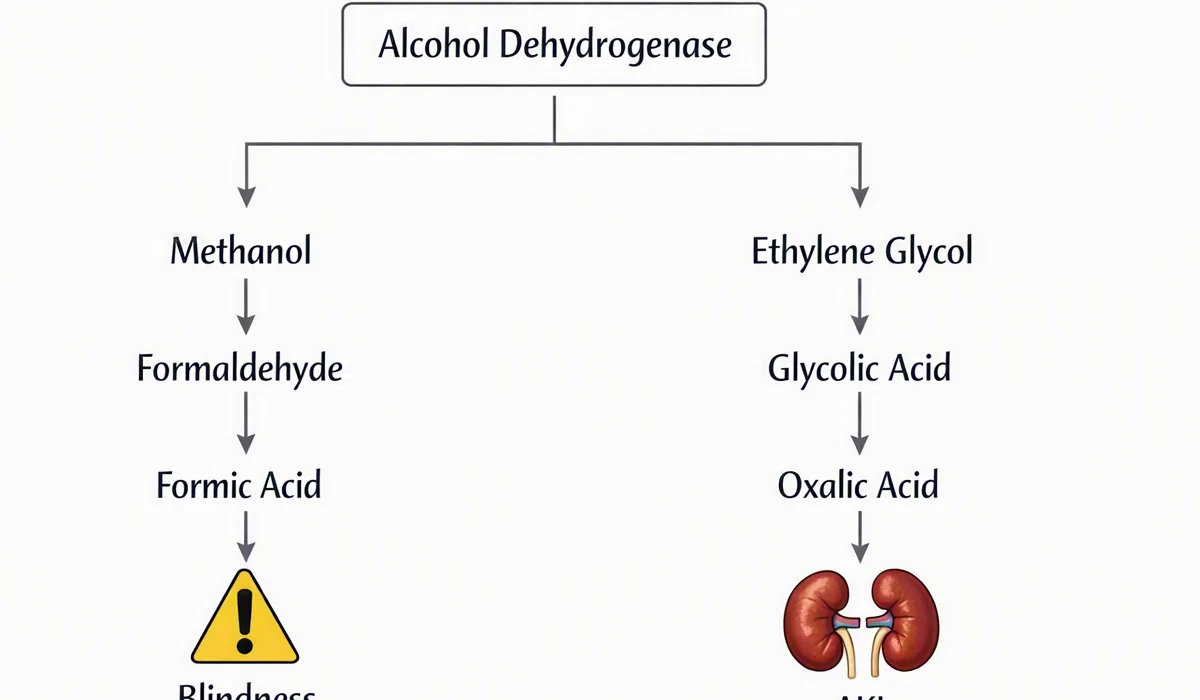
Other contributors can include toxins, severe illness, and mixed disorders. Still, the core idea remains the same: a high gap usually means the body has accumulated acids or kept unmeasured anions that are not reflected directly in the routine electrolyte values.
When a standard anion gap can still be misinterpreted
A normal result does not always mean the electrolyte picture is truly unchanged. A number of factors can make the anion gap look comforting even when a medically significant problem is present. One major factor is albumin, the most abundant negatively charged protein in plasma. Because albumin contributes greatly to the usual gap, low albumin can obscure an elevated gap state.
This is why clinicians sometimes use a corrected anion gap. The correction compensates for hypoalbuminemia so the result better shows the real burden of unmeasured anions. Without this step, a patient with low albumin may appear have a normal gap even though a significant acid-base disorder is present underneath.
Lab error is another issue. Sample handling problems, measurement variability, or reporting mistakes can alter sodium, chloride, or bicarbonate values enough to change the result. A suspicious number should always be rechecked against the full lab record and the clinical picture.
The chloride shift can also make harder interpretation. If chloride rises to offset another change, the calculated gap may stay within the expected reference range even when a important process is occurring. In other words, the body may maintain apparent balance on paper while still undergoing a real metabolic change.
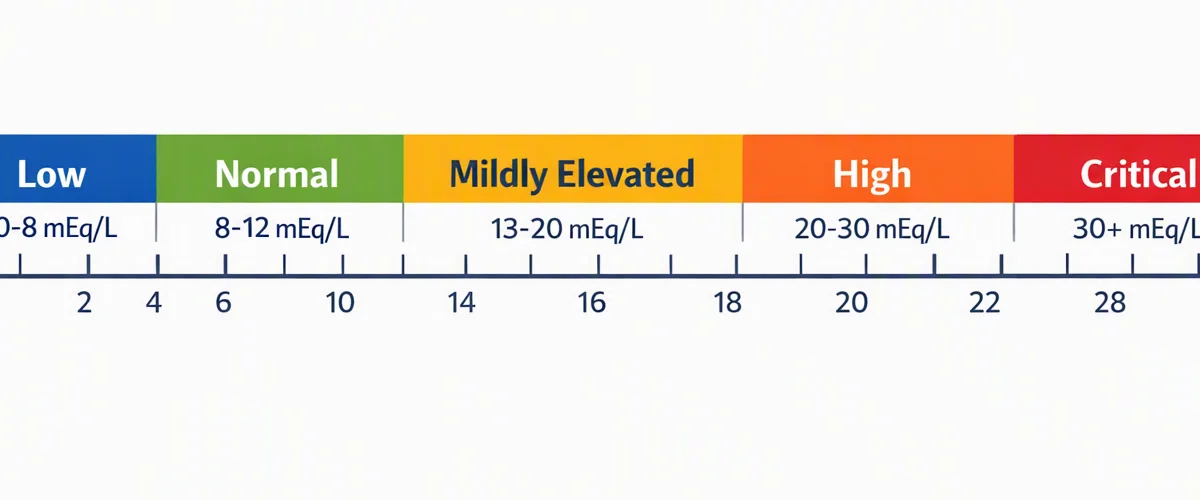
For these reasons, a normal gap should be viewed as one clue, not the final answer. It can be especially misleading in mixed disorders, low albumin states, or cases where fluid shifts alter measured electrolyte concentrations.
How to read findings in context
The most accurate clinical interpretation of an anion gap result comes from combining it with the other details of the patient’s data. Sodium, chloride, and bicarbonate tell only some of the story. Additional information such as potassium, renal function, symptoms, medications, and the presence of illness all affect the meaning of the number.
An arterial blood gas is especially valuable when an acid-base problem is suspected. It provides information about pH, carbon dioxide, and compensatory changes that can clarify whether the patient has metabolic acidosis, respiratory issues, or a mixed disorder. In many cases, the anion gap is only one piece of the larger acid-base puzzle.
It is also important to evaluate whether compensatory changes make physiologic sense. The body often responds to a metabolic disturbance with predictable respiratory or renal adjustments, but these responses may be incomplete or masked by another condition. That is why the calculated gap should be interpreted alongside symptoms, examination findings, and the overall serum electrolytes pattern.
In everyday practice, the best approach is to think in stages:
- Check whether sodium, chloride, and bicarbonate are abnormal.
- Decide whether the calculated gap is high, normal, or low.
- Examine albumin and consider a corrected anion gap when needed.
- Search for renal impairment, lactic acidosis, ketoacidosis, or uremia.
- Verify the result with broader clinical context and, when appropriate, arterial blood gas testing.
This stepwise approach strengthens lab interpretation and reduces the risk of overreading a single abnormal result. An abnormal result can be highly informative, but only when viewed as part of a complete diagnostic context.
FAQ about sodium and the anion gap
What is the function of sodium in the anion gap?
Sodium is the key checked cation used in the anion gap formula. It offers the starting point for the calculation, which contrasts sodium against chloride and bicarbonate to assess the level of unmeasured anions in plasma. Without sodium, the calculation would not work as a reliable clinical tool for electrolyte homeostasis and acid-base issues.

Why does the anion gap formula include sodium?
This calculation contains sodium because it is the main positively charged analyte in routine serum electrolytes screening. Since the body must maintain electroneutrality, sodium is used as the reference point for evaluating measured cations with measured anions. This can help reveal hidden changes in blood chemistry that may point to a metabolic imbalance.
Can low sodium affect the anion gap result?
Absolutely. Hyponatremia can lower the calculated result because sodium is the main starting value in the calculation. But the meaning of that change depends on the overall clinical context, including chloride, bicarbonate, serum osmolality, and whether there is a real acid-base issue. Low sodium alone does not define the cause.
Can a normal anion gap exclude acid-base problems?
Nope. A regular result does not rule out every acid-base disorder pattern. Issues can be obscured by hypoalbuminemia, lab error, a chloride shift, or combined disorders. That is why a normal value should be interpreted with the other parts of the electrolyte panel, the patient’s symptoms, and any arterial blood gas results when available.
In what way does an Anion Gap Calculator aid interpretation of lab results?
An Anion Gap Calculator quickly calculates the anion gap calculation using serum sodium, chloride, and bicarbonate. It helps arrange lab values, identify a possible increased anion gap or decreased anion gap, and facilitate faster lab interpretation. However, it does not take the place of clinical interpretation, since albumin, renal function, and the broader diagnostic context still matter.