Can Fluid loss Affecting the Anion Gap?
Understanding the Anion Gap?
The anion gap is a derived value that assists clinicians read a blood test centered on electrolytes in the body. It compares common measured ions, mainly sodium, chloride, and bicarbonate, to determine whether extra unmeasured acids or other charged particles may be present in the plasma. This makes this a helpful part of lab interpretation, especially when reviewing acid-base balance and possible reasons of abnormal results.
In simple terms, the anion gap is not a direct measurement of a single substance. It is a diagnostic tool that offers clues about the body's serum chemistry. Because it relies on routine serum electrolytes, it often appears alongside other values that help show whether there is an electrolyte imbalance or a more complex problem affecting renal function or metabolism.
Most clinicians look at the anion gap in clinical context. A result by itself does not confirm a disease. Instead, it helps narrow down the underlying cause of symptoms or other lab changes. The reference range can vary by lab method, so “normal” may differ slightly depending on the testing system used. That is why interpretation should always consider the lab’s own normal range.
In a simplified equation, the anion gap is usually based on:
- Sodium minus the sum of chloride and bicarbonate
Some versions also account for albumin, which is important because albumin is a major unmeasured negative ion in blood. Changes in albumin can shift the calculation and affect how results are read.
Can Lack of hydration Affect the Anion Gap?
Indeed, dehydration can at times alter the anion gap, but most often indirectly rather than as a standalone cause. Dehydration changes blood volume and can reduce the fluid content of the blood, which may impact electrolyte levels and make clearer an existing problem more clearly. It can also contribute to an electrolyte imbalance if fluid loss is substantial or ongoing.
When the body loses too much water, the concentration of measured substances in the blood may change. This can affect sodium, chloride, and bicarbonate levels. However, dehydration alone does not by itself cause a major increase or decrease in the anion gap. The result depends on the broader situation, including the person’s clinical context, kidney handling of acids and salts, and whether there is vomiting, diarrhea, or another condition involved.
One reason dehydration matters is that it can limit effective circulation and stress kidney function. The kidneys help control acid-base balance and eliminate waste products. When dehydration is extreme, the body may not clear acids as efficiently, and this can lead to a high anion gap if acids build up. At the same time, dehydration can coexist with other issues such as vomiting, which may lower bicarbonate or change chloride patterns depending on the situation.
There is also a link between dehydration and markers of kidney stress such as blood urea nitrogen and creatinine. If these rise, the clinician may consider reduced renal perfusion or impaired renal function. That does not prove dehydration is the only issue, but it helps explain why the lab pattern may look abnormal.
In other words, dehydration can influence the numbers that go into the calculation, but the anion gap itself is not a direct dehydration test. It is better viewed as one clue among many in a broader blood test and lab interpretation process.
How the Anion Gap Calculator Interprets Results
An Anion Gap Calculator is a useful tool that helps estimate the anion gap from lab values. It is valuable because it lowers manual calculation errors and supports faster interpretation of a basic chemistry panel. The calculator may also help users see whether the result falls inside the expected reference range or is outside the lab’s Additional reading normal range.
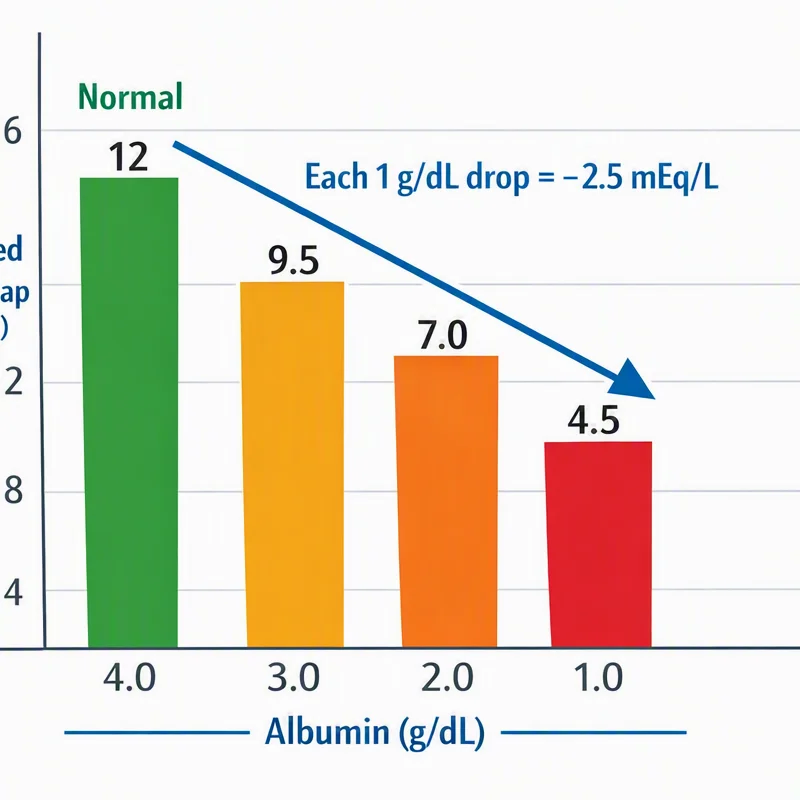
The key point is that the Anion Gap Calculator does not diagnose a condition. It is a diagnostic tool for recognizing patterns. The number it gives should be reviewed with albumin, because low albumin can lower the calculated gap even when a serious condition is present. This is why hypoalbuminemia matters so much in lab interpretation.
When reviewing the calculation, clinicians consider:
- Measured sodium, chloride, and bicarbonate
- Whether albumin is normal or low
- Other serum electrolytes and the broader serum chemistry picture
- Signs of metabolic acidosis or other acid-base changes
If albumin is low, the anion gap can appear falsely low. This is a typical reason a low anion gap should be interpreted carefully. On the other hand, an elevated result may suggest extra acids in the blood, which could indicate metabolic acidosis, lactic acidosis, or another problem affecting acid-base balance.
Some calculators include albumin correction so the user can better understand the result in clinical context. This can be especially helpful when the blood test includes multiple abnormalities or when dehydration, kidney stress, or protein changes may be affecting the numbers.
Still, the calculator is only part of the picture. A result should always be reviewed alongside symptoms, medications, and other labs. That is the safest way to identify the underlying cause and decide whether recheck labs or a broader evaluation is needed.
Frequent Causes of a Elevated or Low Anion Gap
A elevated anion gap usually suggests that acid buildup are building up in the blood. One classic cause is metabolic acidosis, where the body has too much acid or not enough bicarbonate to buffer it. This can happen in several settings, including kidney problems, severe infection, toxin exposure, and elevated lactate.
Lactate buildup occurs when lactic acid builds up, often because tissues are not getting enough oxygen or because the body is under severe stress. This can happen with major illness, reduced circulation, or other urgent medical problems. Dehydration may contribute indirectly if it reduces blood flow, but it is not the only explanation.
Renal disease can also increase the anion gap because the kidneys are less able to clear acid and other waste products. Since the kidneys help regulate kidney function, clinicians often check urea nitrogen and creatinine when the anion gap is abnormal. These values help show whether reduced renal clearance may be part of the problem.
A decreased anion gap is less common, but it can happen when albumin is low, when there are lab measurement issues, or when certain unusual substances are present. Hypoalbuminemia is one of the most important reasons because albumin is a major contributor to the expected charge balance in blood. If albumin drops, the anion gap can appear artificially reduced.
Other common patterns may involve shifts in serum chloride and serum bicarbonate. For anion gap in chronic kidney disease example, vomiting can alter stomach acid loss and change the acid-base picture. Diarrhea can also cause bicarbonate loss, which may affect the interpretation of the blood test. That is why the anion gap should never be read in isolation.
In short, the most useful question is not just whether the anion gap is high or low, but why. The answer often depends on the full set of electrolyte values, the patient’s symptoms, and whether there is evidence of acid-base disturbance, reduced albumin, kidney issues, or another underlying cause.
Indicators Dehydration Might Be Influencing Your Labs
Dehydration can alter serum electrolytes and other important blood values, especially if fluid loss continues for some time. Typical symptoms include thirst, dizziness, and lower urine output. These clues do not prove a lab abnormality, but they do increase concern that dehydration may be influencing the test results.
When fluid loss is significant, the blood may become concentrated. This can change the apparent levels of sodium, chloride, and bicarbonate in the plasma. Depending on the cause of fluid loss, the pattern may vary. For example, vomiting can lead to other changes than diarrhea, because the body loses other components in each situation.
Healthcare providers often look for additional signs of dehydration alongside the blood test. These include:
- Parched mouth or intense thirst
- Wooziness or dizziness
- Reduced urine output
- Changes in serum electrolytes
- Abnormal blood urea nitrogen or creatinine
These results can help determine whether fluid loss is affecting kidney perfusion and renal function. If the kidneys are not getting enough blood flow, waste products may increase and the chemistry panel may look abnormal. That may contribute to an elevated anion gap or other lab changes depending on the situation.
It is worth remembering to remember that dehydration symptoms are useful clues, but they do not replace full lab interpretation. A person may have thirst and dizziness without a serious acid-base disorder. Another person may have a serious abnormality with few obvious symptoms. That is why clinical context matters so much.
When It Is Time for Medical Evaluation
You should obtain medical evaluation if dehydration looks severe or if the anion gap is abnormal and you also have alarming symptoms. Severe dehydration can grow dangerous because it affects circulation, kidney blood flow, and overall electrolyte balance. If fluid loss continues, the body may struggle to maintain stable chemistry.
Common warning signs are persistent vomiting, worsening weakness, inability to keep fluids down, very low urine output, or marked thirst with lightheadedness. Confusion is especially alarming because it may suggest a more serious electrolyte disturbance, significant dehydration, or another urgent issue requiring prompt assessment.
Other emergency symptoms can include loss of consciousness, rapid breathing, chest discomfort, severe abdominal pain, or sudden changes in alertness. These symptoms are not specific to anion gap changes, but they may appear with serious metabolic problems such as metabolic acidosis or severe infection. In those cases, delaying further evaluation may not be wise.
If an abnormal anion gap is found on a blood test, the next step is usually to review the full chemistry panel, symptoms, medications, and kidney markers like blood urea nitrogen and creatinine. Depending on the findings, clinicians may order repeat testing or additional studies to identify the underlying cause.
Use caution with self-interpretation. An Anion Gap Calculator can help you understand the number, but it cannot tell you whether the problem is mild dehydration, kidney disease, lactic acidosis, or another disorder. If the result is outside the reference range, the safest next step is to discuss it with a clinician who can consider the full picture.
FAQ: Anion Gap and Dehydration
Does dehydration raise or reduce the anion gap?
Dehydration can at times raise the anion gap, but not always. It may reduce the volume of blood components and affect serum electrolytes, and severe fluid loss can impair kidney function enough to cause metabolic acidosis. In some cases, the anion gap may be unchanged. The result depends on the cause and the full clinical context.
Can an Anion Gap Calculator diagnose dehydration?
No. An Anion Gap Calculator can help with lab interpretation, but it cannot diagnose dehydration. It is a diagnostic tool for assessing lab values, not a substitute for a full exam, symptom review, or medical evaluation. Dehydration is usually identified by symptoms, exam findings, and other lab changes.
Why would the anion gap be high if I am dehydrated?
A high anion gap during dehydration may happen if fluid loss has reduced circulation and affected the kidneys, leading to buildup of acids. It may also appear if another condition is present at the same time, such as lactic acidosis, kidney disease, or another cause of metabolic acidosis. Dehydration may be part of the story, but it is often only one factor.
What other lab values should be checked with anion gap?
Common related tests include albumin, sodium, chloride, bicarbonate, blood urea nitrogen, and creatinine. These help assess serum electrolytes, kidney function, and overall acid-base balance. Depending on the case, clinicians may also look for signs of hypoalbuminemia or other causes of abnormal results.
When should I worry about an abnormal anion gap result?
You should worry if the abnormal result comes with symptoms such as vomiting, diarrhea, severe thirst, low urine output, confusion, or other emergency symptoms. An abnormal result also matters more if there is evidence of metabolic acidosis, kidney disease, or a major change from your usual reference range. If you are unsure, seek medical advice promptly so the result can be interpreted in the right clinical context.