Anion Gap Calculator Based on Sodium, Chloride, and HCO3
How the Anion Gap Assesses
The anion gap is a helpful way to evaluate the relationship between electrolytes that are checked in routine blood testing and those that are unmeasured. Clinically, it helps assess acid-base balance and can indicate an acid-base disorder, especially when a patient may have an electrolyte imbalance.
In simple terms, the anion gap contrasts the main measured cations and anions in the blood. The result may show whether there are excess unmeasured anions, which often occurs in metabolic acidosis. That makes it a valuable screening metric and a reliable diagnostic tool in routine lab values review.
An anion gap calculator is designed to make this process fast and straightforward. Instead of calculating by hand, you provide the relevant serum electrolyte values and get an prompt formula result. This can aid faster clinical interpretation and help inform further evaluation when the anion gap value is abnormal.
Formula and Calculation
The standard anion gap calculation includes sodium, Cl, and HCO3:
Anion gap = Na - (Chloride + Bicarbonate)
In most routine calculations, sodium level is the main positive component, while serum chloride and blood bicarbonate are the terms subtracted from it. Since bicarbonate serves as an important buffer, the bicarbonate value greatly influences the final number and often indicates the body’s current acid base balance.
For instance, if serum sodium is 140, serum chloride is 104, and serum bicarbonate is 24, the calculation is:
140 - (104 + 24) = 12
That anion gap value is then measured with a reference range to help determine whether the result is within range or outside range. A properly read result can be especially useful during a acidosis workup, where identifying the pattern can narrow the possible cause.
While the equation is easy to use, the meaning of the result depends on the overall clinical context. A single number does not diagnose a condition by itself, but it can suggest when further testing is needed.
How to Operate the Anion Gap Calculator
Using an anion gap calculator is easy when you have the correct calculator input values. Input the 3 key lab measurements: serum sodium, serum chloride, and serum bicarbonate. The tool then uses the anion gap formula and provides the calculated value instantly.
To get the most accurate result, use current and matching lab measurements from the same blood chemistry panel. If values are entered from different draws, the calculation may be less reliable. Since the anion gap is based on lab data, good input quality matters for accurate lab test interpretation.
- Enter serum sodium in the first field.
- Input serum chloride in the second field.
- Provide serum bicarbonate in the third field.
After calculating the anion gap, compare the result with the expected normal anion gap range used by the laboratory or clinical setting. A slightly different reference range may apply depending on the method used by the lab. For this reason the calculator should support, not replace, professional review of lab values.
While reviewing the output, pay attention to whether the formula result suggests a high anion gap, a low anion gap, or a value in the expected range. That classification helps guide next steps in evaluating possible acid-base or metabolic concerns.
Typical Anion Gap Values and Meaning
The usual range for anion gap can differ somewhat by lab, but many clinical references regard values approximately 8 to 12 mEq/L to be expected when not adjusted for albumin. Some laboratories may use a somewhat different reference range, so it is important to assess the value alongside the reported lab standards.
A regular anion gap generally implies that the balance between measured electrolytes and unmeasured ions is not significantly shifted. However, a normal result does not rule out all disorders. Some conditions can still be present even when the anion gap is normal, especially if the problem is unrelated to excess unmeasured anions.
A high anion gap often signals excess acids in the blood and is commonly associated with acid-base disturbance. A reduced anion gap is less common but can be important because it may point to low albumin, lab issues, or unusual protein changes. Both abnormal patterns require attention in a full clinical interpretation.
In practice, the anion gap is one part of the larger picture. A number that appears just beyond the expected range should be reviewed with symptoms, history, medications, and other lab findings rather than judged alone.
Frequent Causes of a Increased Anion Gap
A increased anion gap usually indicates there are excess untested anions in the blood, often because acids are building up. This pattern is a classic clue in acidosis and often calls for a broader acidosis evaluation.
One common cause is elevated lactic acid, which can occur when the body generates too much lactate or cannot eliminate it effectively. Another important cause is ketoacidosis, which may develop when ketones rise during insulin deficiency, prolonged fasting, or other metabolic stress.
Kidney failure is another major cause because the kidneys may be unable to remove acids efficiently. As waste acids accumulate, the anion gap level can rise. Depending on the situation, the abnormal result may be accompanied by other changes in blood electrolyte results and a low bicarbonate concentration.
Other causes can occur as well, but these are among the most usual and clinically important factors. When the calculator shows a high result, the pattern should be interpreted in combination with the patient’s symptoms, medications, and the broader blood chemistry test.
Typical Causes Behind Low Anion Gap
A low anion gap can be uncommon than a high result, but it can remain clinically meaningful. One of the most frequent explanations is hypoalbuminemia, because albumin is an important anionic protein in the blood. When albumin drops, the measured gap may also be lower.
Lab error should also be checked for, especially if the result doesn't match the clinical picture. Rechecking the sample or reviewing sample handling can help determine whether the value is real or due to a testing issue.
Paraproteinemia is another important cause. In this condition, abnormal proteins can shift the balance of measured and unmeasured ions, affecting the calculated result. Because of that, a low result how low albumin alters anion gap may sometimes prompt further testing for protein abnormalities.
While a low result is often overlooked, it may suggest an underlying problem worth looking into. It is best understood alongside the rest of the blood chemistry panel and the patient’s overall status.
Modified Anion Gap & Albumin Correction
Because albumin has a substantial effect on the anion gap, the raw number may misrepresent the true acid burden when albumin is low. This is why clinicians sometimes use a corrected anion gap with albumin correction.
This modification matters because albumin helps with protein binding and has a negative charge. When albumin decreases, the measured gap can appear lower even if there is still clinically important acidosis. Correcting the value can show a more accurate picture of acid-base status.
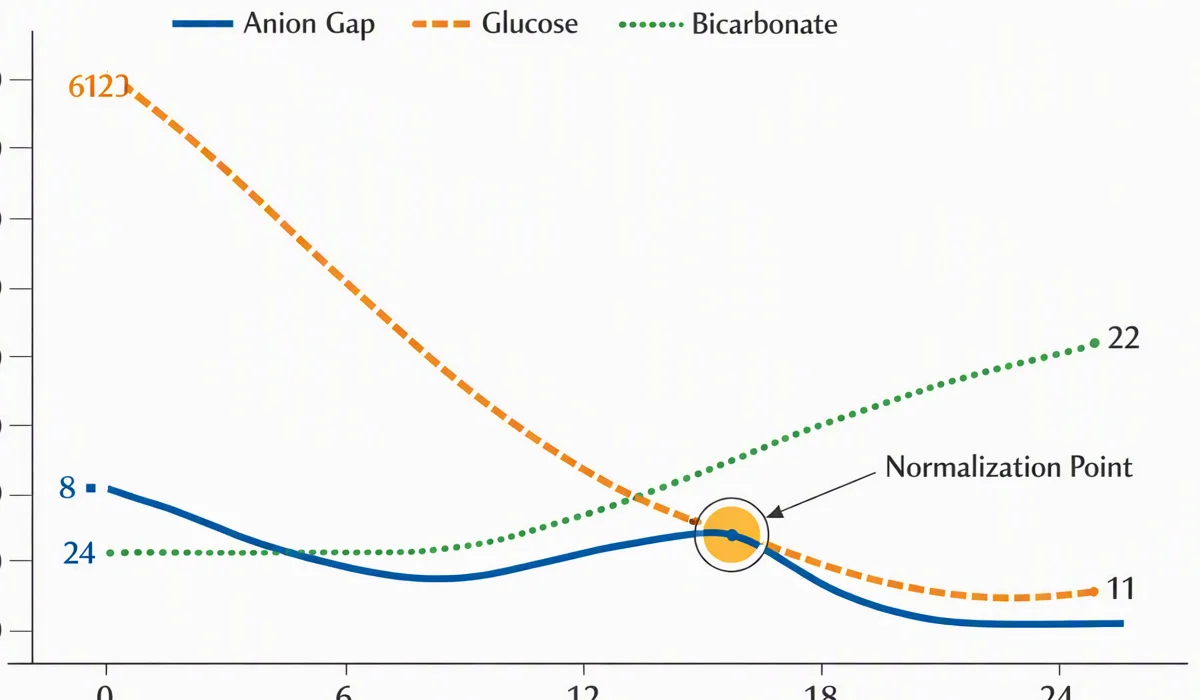
A corrected result is especially valuable when evaluating a possible acid-base disorder or when the patient has conditions associated with hypoalbuminemia. The goal is to prevent missing a hidden high anion gap simply because the raw number seems closer to normal.
Not every case requires correction, but it should be considered whenever albumin is below normal or when the clinical picture and the calculated result do not match. In that setting, the corrected anion gap can support clinical interpretation and promote more accurate decision-making.
When to Seek Medical Evaluation
An abnormal anion gap is not necessarily urgent, but it should be taken seriously. If a person has concerning symptoms such as rapid breathing, confusion, severe weakness, vomiting, dehydration, or marked illness, medical evaluation may be needed quickly.
Because a low value can reflect an important underlying problem, a clinician may review a blood chemistry panel along with other tests to determine the cause. This is especially true when there is concern for metabolic acidosis, renal failure, or another serious condition.
Seek emergency evaluation if symptoms are severe, worsening, or associated with fainting, difficulty breathing, altered mental status, or signs of severe dehydration. The calculator is a practical screening step, but it does not replace urgent care when the situation suggests a medical emergency.
For milder concerns, follow-up testing and clinician review can help determine whether the result was transient, related to lab error, or part of a larger pattern that needs treatment.
Frequently Asked Questions
How do you compute anion gap from sodium, chloride, and bicarbonate?
Use the anion gap formula: sodium minus the sum of chloride and bicarbonate. In other words, anion gap = sodium - (chloride + bicarbonate). An anion gap calculator makes this easy by letting you enter the serum sodium, serum chloride, and serum bicarbonate values directly.
What is the normal range for anion gap?
The normal range differs by laboratory, but many references place it around 8 to 12 mEq/L. Always compare the result to the lab’s own reference range because methods and reporting standards can differ. A result inside the expected range is often considered a normal anion gap.
What can indicate a high anion gap?
A high anion gap commonly indicates excess acids or unmeasured anions in the blood. Typical reasons include metabolic acidosis, lactic acidosis, ketoacidosis, and renal failure. The result should be understood in the context of symptoms, other lab values, and the overall acid-base balance.
What can lead to a low anion gap?
A low anion gap can be due to hypoalbuminemia, lab error, or paraproteinemia. Low albumin is especially common because albumin contributes negative charge in the blood. If the result is unexpected, repeating the test and reviewing the full blood chemistry panel can help determine the cause.
Should anion gap be corrected for albumin?
Yes, it often should be taken into account when albumin is low. The corrected anion gap can offer a more accurate picture because albumin affects the measured value through protein binding and its negative charge. Albumin correction is particularly useful when evaluating an abnormal result during an acid-base disorder assessment.